Features of First-Generation Automotive Wheel Hub Bearings
The first-generation wheel hub bearing is a fundamental design in automotive wheel systems. Its key characteristics include:
Separable Inner and Outer Rings
The inner and outer rings can be disassembled, requiring manual adjustment of preload and clearance during installation. This offers flexibility but increases assembly complexity.
High Compatibility
Designed to work with traditional steering knuckles and wheel spindles, these bearings are widely used in early passenger cars and light commercial vehicles.
Manual Preload Adjustment
Installation requires precise nut torque control to set the bearing preload. Incorrect adjustment may lead to reduced performance or premature failure.
High Load Capacity and Reliability
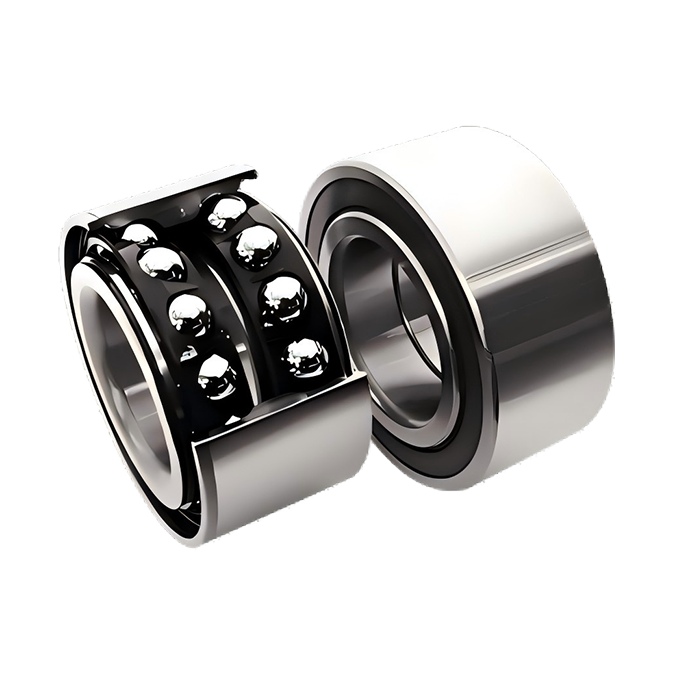
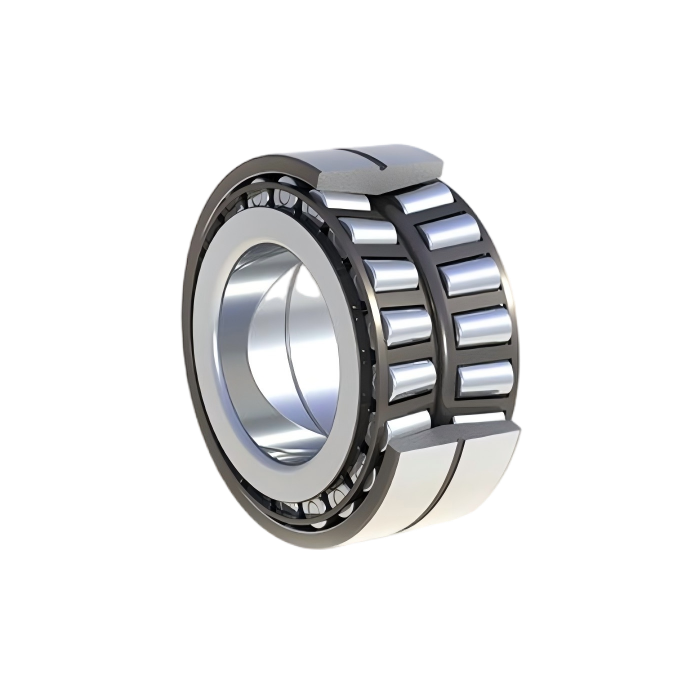
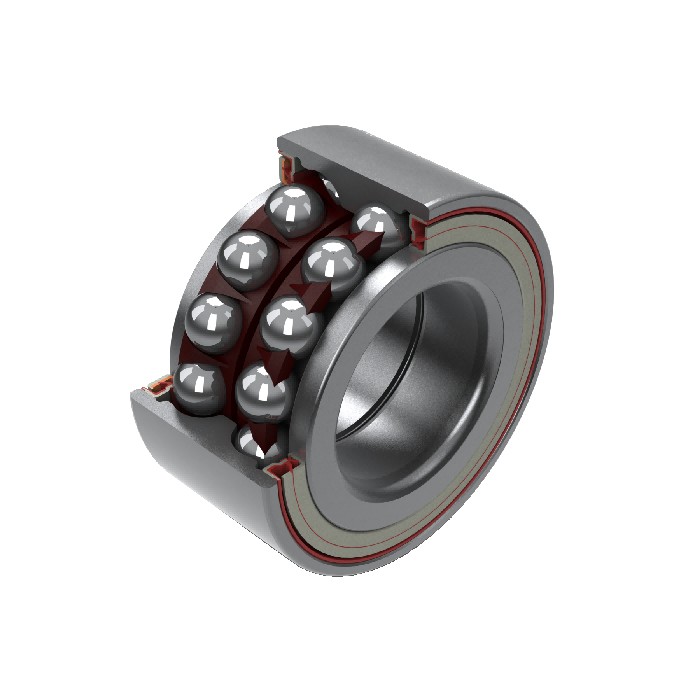
Typically designed as double-row angular contact ball bearings or tapered roller bearings, providing strong radial and axial load support.
Maintenance Flexibility
Individual bearing components can be replaced without changing the entire hub unit, making them suitable for aftermarket repairs.
Non-Integrated Sensor Design
As a purely mechanical component, they generally do not include built-in ABS speed sensors and require external sensor installation.
Common Types: Double-Row Angular Contact Ball Bearings, Double-Row Tapered Roller Bearings
Typical Applications: Early-model rear wheels, commercial vehicles, cost-sensitive maintenance markets, and certain industrial machinery.